By Analyst Team · Updated 2026-08-26 · 8 min read
Why Many People Regret Their Choice
When it comes to cognitive supplements, regret often stems from rushed decisions. Many buyers jump at the first flashy advertisement they see, drawn in by bold claims of instant focus and memory enhancement. Weeks later, they find themselves staring at a bottle that delivered nothing close to the promised results.
The core problem isn't necessarily that the product is bad — it's that the buyer didn't do their homework. They didn't check the ingredient profile against clinical research. They didn't verify whether the manufacturer had third-party testing in place. They didn't consider whether the formula actually matched their specific cognitive needs.
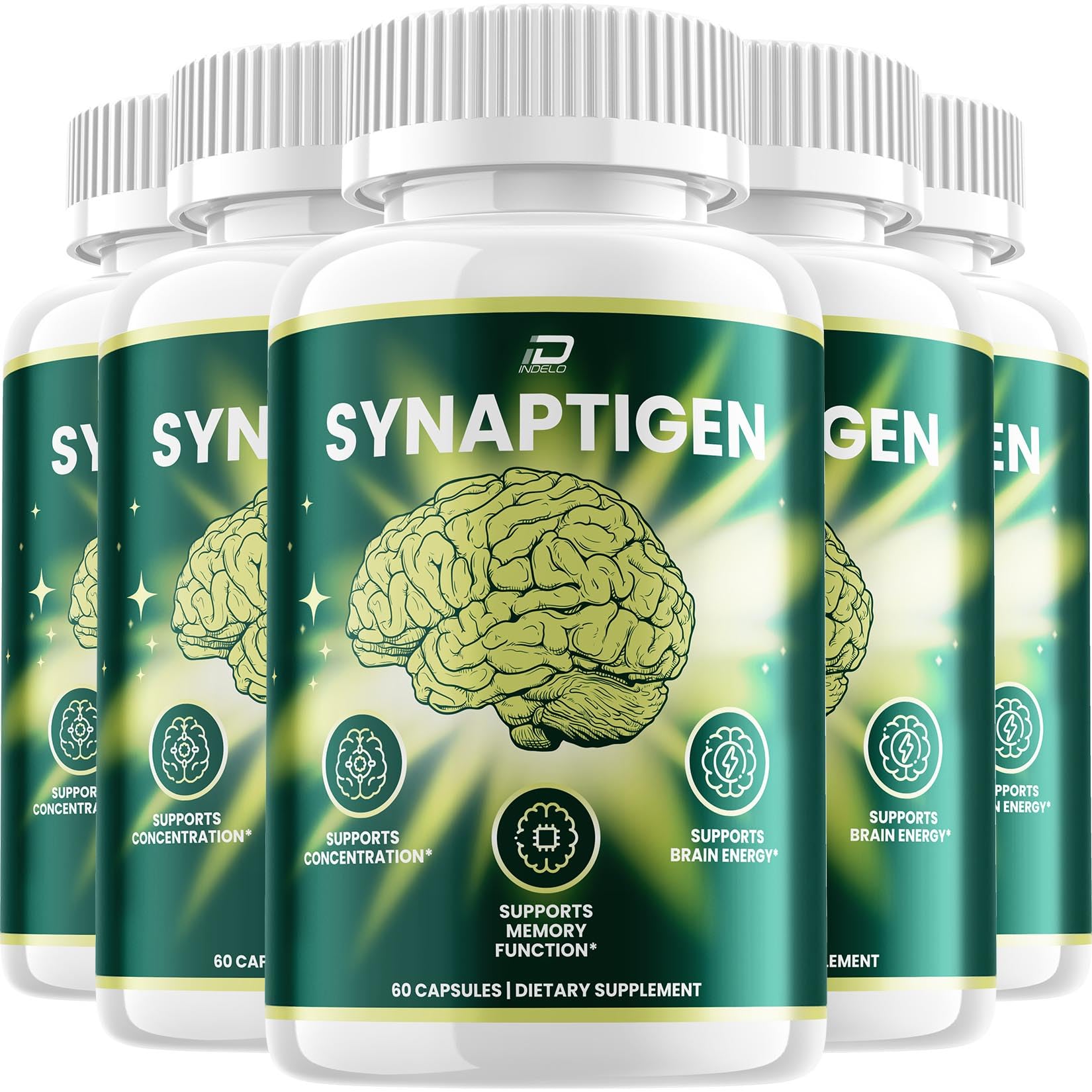
synaptigen has gained significant attention in the nootropic space, but it's not for everyone. Some users report remarkable improvements in mental clarity and sustained energy. Others feel nothing at all. The difference often comes down to individual brain chemistry, lifestyle factors, and — critically — whether the buyer understood what they were purchasing in the first place.
That's why this guide exists. By the time you finish reading, you'll know exactly what to look for, which questions to ask, and how to determine whether synaptigen is the right cognitive supplement for your unique situation.
Secure special promotional rates instantly before the window closes.
Activate Your synaptigen Subscription Now →Criteria That Should Drive Your Decision
Related Reading: The Definitive Buyer's Guide to best iptv service: Everything to Know First
Before you even consider reaching for your wallet, you need to establish a clear set of evaluation criteria. These aren't just nice-to-haves — they're essential filters that separate quality cognitive supplements from marketing hype.
Ingredient Transparency
The first thing to examine is the ingredient label. A reputable product should list every active compound with its exact dosage. If you see "proprietary blend" without specific amounts, that's a red flag. You can't evaluate what you can't measure. Look for ingredients backed by peer-reviewed research — things like citicoline, bacopa monnieri, lion's mane extract, and phosphatidylserine.
Third-Party Testing
Independent verification is non-negotiable. Look for certifications from organizations like NSF International, Informed Choice, or USP. These third-party seals confirm that the product contains what the label claims and doesn't have hidden contaminants. synaptigen undergoes rigorous third-party testing, which is one of the reasons it stands out in a crowded market.
Manufacturer Reputation
Who's behind the product? How long have they been in the industry? Do they have a track record of quality? A company that's been around for years and has built a loyal customer base is far more trustworthy than a fly-by-night operation that changes brand names every few months.
Dosage Accuracy
The right ingredients at the wrong doses won't do you any good. Many supplements include ingredients in homeopathic amounts that have zero clinical effect. Check whether the dosages align with what research studies actually used. This is where synaptigen excels — every ingredient is included at clinically studied levels.

What You Need to Know About the Current Market
The cognitive supplement market has exploded in recent years. It's now a multi-billion dollar industry, and with that growth comes a flood of new products — some legitimate, many not. Understanding the current landscape is crucial for making an informed decision.
One of the biggest trends is the shift toward more sophisticated formulas. Gone are the days of simple caffeine-plus-B-vitamin stacks. Today's leading products combine multiple nootropic compounds that work synergistically to support various aspects of cognitive function — memory, focus, mental processing speed, and mood stability.
However, this complexity cuts both ways. More ingredients mean more potential for interactions and side effects. It also means more opportunities for manufacturers to include cheap filler ingredients that inflate the label without adding real value.
Another important market trend is the growing emphasis on bioavailability. It's not just about what ingredients you include — it's about how well your body can absorb and use them. Look for products that use enhanced delivery systems or bioavailable forms of nutrients. For example, citicoline is generally better absorbed than plain choline, and magnesium threonate crosses the blood-brain barrier more effectively than other magnesium forms.
Questions to Ask Before Buying
Related Reading: Audifort Buyers Guide: What to Know Before You Buy
Asking the right questions before you buy can save you money, time, and frustration. Here are the questions every smart buyer should ask:
What specific cognitive benefits am I looking for?
Are you trying to improve focus for work? Enhance memory for studying? Support overall brain health as you age? Different formulas target different outcomes. synaptigen is designed for comprehensive cognitive support, but you need to clarify your goals first.
What does the clinical research actually say?
Don't rely on the marketing materials. Look up the actual studies cited. Check the dosages used in those studies and compare them to what's in the product. If the research used 300mg of an ingredient but the product only contains 50mg, the evidence doesn't really support that product's claims.
Are there any known side effects or interactions?
Cognitive supplements can interact with medications and underlying health conditions. If you're taking prescription drugs — especially antidepressants, blood thinners, or stimulants — talk to your doctor before adding any nootropic to your routine.
What is the return policy?
A confident manufacturer will stand behind their product with a solid return policy. Look for at least a 30-day money-back guarantee. This gives you time to evaluate whether the product actually works for you without risking your money. synaptigen offers a generous 30-day return window, which speaks to their confidence in the formula.
Warning Signs to Spot
Not all supplements are created equal, and some are outright dangerous. Here are the warning signs that should send you running in the other direction:
Over-the-Top Claims
If a product promises "instant genius" or "unlimited memory," walk away. Legitimate cognitive supplements offer modest, scientifically-grounded improvements — not superpowers. Claims that sound too good to be true almost always are.
Missing or Vague Ingredient Labels
A product that doesn't clearly disclose its ingredients is hiding something. Either the formula contains ineffective doses, or it includes cheap compounds that aren't worth the label space. You deserve to know exactly what you're putting into your body.
No Third-Party Certification
Quality manufacturers welcome independent testing. If you can't find any third-party certification, that's a significant red flag. It suggests the company isn't confident enough in their product to submit it for external verification.
Artificial Additives and Fillers
Check the "other ingredients" section of the label. If you see artificial colors, preservatives, or unnecessary fillers like magnesium stearate, that's a sign of a lower-quality product. The best supplements keep their ingredient lists clean and purposeful.
Comparison Table: synaptigen vs. Alternatives
Related Reading: PrimeBiome Complete Guide: Benefits, Reviews & 2025 Insights
To help you visualize the differences, here's a side-by-side comparison of synaptigen with other common cognitive supplement approaches:
| Feature | synaptigen | Basic Nootropic Stack | Generic Brain Supplement |
|---|---|---|---|
| Ingredient Transparency | Full disclosure with exact dosages | Varies, often vague | Often uses "proprietary blends" |
| Third-Party Testing | Yes, certified | Not always | Rarely |
| Clinical Research Support | Strong, cites peer-reviewed studies | Mixed | Minimal |
| Bioavailability Enhancement | Yes, uses enhanced forms | Limited | Often low-quality forms |
| Return Policy | 30-day money-back guarantee | Varies | Often no returns |
| Price Point | Premium | Moderate | Low |
| Overall Value | High for comprehensive support | Depends on formulation | Generally poor |
Recommendation by Budget and Needs
Your budget and specific needs should guide your decision. Let me break down the options:
Budget-Conscious Buyers
If you're working with a tight budget, you might be tempted to go with the cheapest option on the shelf. Resist that urge. In the supplement world, you typically get what you pay for. A low-quality product with ineffective doses is a complete waste of money — even if it's cheap.
Instead, look for a mid-range product that offers good ingredient transparency. Or consider building your own stack from individual ingredients. This gives you more control over dosages and allows you to focus on the specific compounds that matter most to you.
Quality-Focused Buyers
If you're willing to invest in your cognitive health, synaptigen represents a solid choice. It combines clinically-studied ingredients at effective dosages, uses bioavailable forms of key nutrients, and has third-party certification. The premium price reflects the quality of the formulation.
For most people, the sweet spot is a comprehensive formula that covers multiple aspects of cognitive function. This approach is more convenient than building your own stack and ensures that the ingredients work together synergistically.
Specific Needs
If you have a very specific cognitive concern — like memory decline or severe brain fog — you might benefit more from a targeted supplement rather than a broad-spectrum formula. Talk to a healthcare professional about your specific situation before making a decision.

How to Maximize Your Investment
Once you've decided to purchase synaptigen, there are several strategies to get the most value from your investment:
Consistency Is Key
Cognitive supplements don't work overnight. Most require consistent daily use for several weeks before you notice significant effects. Set a reminder on your phone and make it part of your morning routine. Skipping days will undermine your results.
Pair It With Healthy Habits
Supplements work best when they're part of a holistic approach to brain health. Regular exercise, adequate sleep, a balanced diet, and stress management all play crucial roles in cognitive function. synaptigen can enhance these efforts, but it can't replace them.
Track Your Progress
Keep a journal of your cognitive performance. Note your focus levels, memory recall, and mental energy at the start of your supplement journey, then check in weekly. This helps you objectively evaluate whether the product is working for you.
Start With the Recommended Dose
Don't be tempted to double up on the first day. Start with the recommended dose and give your body time to adjust. If you don't notice effects after a few weeks, you can consider adjusting — but always follow the manufacturer's guidelines.
Final Subscription Window:
Main Offer Today →Affiliate Disclosure: Clicking this secure link verified by our network supports our team through standard partnership terms at zero extra cost to your invoice.
Frequently Asked Questions
How long does it take to see results with synaptigen?
Most users report noticeable effects within 2-4 weeks of consistent daily use. Some people experience benefits sooner, while others may need 6-8 weeks to feel the full effects. The timeline varies based on individual brain chemistry, lifestyle factors, and the specific cognitive functions you're targeting. Patience and consistency are essential for achieving the best outcomes.
Can I take synaptigen with other supplements?
In most cases, yes, but you should always check with your healthcare provider first. synaptigen contains several ingredients that work synergistically, and adding other nootropics could potentially cause excessive stimulation or other adverse effects. If you're currently taking medication, a doctor's approval is especially important before combining supplements.
Is synaptigen safe for long-term use?
The ingredients in synaptigen have been studied for safety over extended periods in most cases. However, long-term effects of any supplement depend on individual health status and dosage. It's generally recommended to take periodic breaks from cognitive supplements to assess whether you still need them. Always follow the manufacturer's guidelines and consult a healthcare professional.
What if synaptigen doesn't work for me?
If you've been taking synaptigen consistently for 6-8 weeks without noticing any improvements, you may want to reconsider your approach. The 30-day money-back guarantee provides a safety net. Remember that cognitive supplements don't work for everyone — individual brain chemistry plays a significant role in how you respond to any nootropic.
Can I take synaptigen on an empty stomach?
It's generally recommended to take synaptigen with food to enhance absorption and minimize any potential stomach discomfort. Some of the ingredients are fat-soluble, meaning they're better absorbed when consumed with dietary fat. Taking it with your morning meal is a simple and effective approach that most users find works well.
Are there any side effects associated with synaptigen?
Most users tolerate synaptigen well, but some people may experience mild side effects like headaches, digestive discomfort, or mild stimulation. These effects typically subside as your body adjusts. If you experience severe or persistent side effects, discontinue use and consult a healthcare professional for personalized guidance.
How does synaptigen compare to prescription cognitive enhancers?
Prescription cognitive enhancers like modafinil or Adderall are much stronger and carry more significant side effects and dependency risks. synaptigen offers a more natural, gentler approach to cognitive support. It's not designed to produce dramatic effects but rather to support overall brain health and function over time.
Can I take synaptigen if I'm pregnant or nursing?
No. If you're pregnant, nursing, or planning to become pregnant, you should not take synaptigen or any other cognitive supplement without explicit approval from your healthcare provider. The safety of nootropic ingredients during pregnancy and breastfeeding hasn't been established, so caution is absolutely necessary in these situations.